MARKETING IN MEDICINE: WHERE DOES ADVERTISING END AND RESPONSIBILITY BEGIN?
As a seasoned medical marketer with years of experience in PR, I’ve come to understand a simple yet heavy truth: every campaign we run has the potential to directly or indirectly impact people’s health. But there’s another, less obvious realization: we are not just responsible for how we promote a product, but also for how it affects the fair and ethical use of resources.
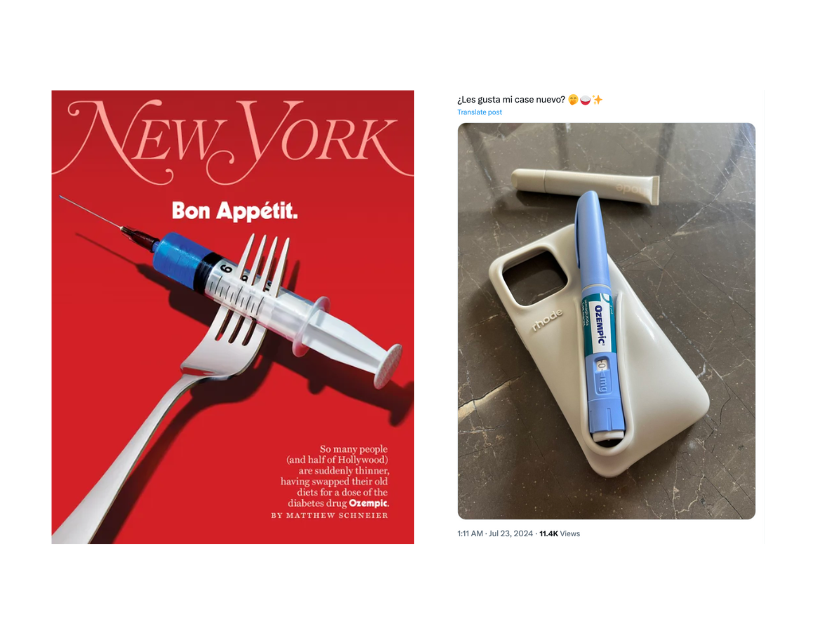
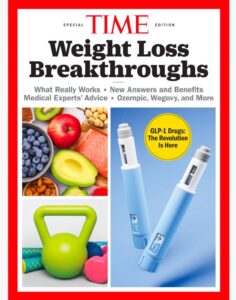
Take, for example, the recent “hype” around drugs like Ozempic. Their explosion in popularity across social media has driven massive interest among people using them for purposes outside their original medical indication. And yes, we, as marketers, have played a role in this: clever messaging, glossy visuals, success stories, and the promise of “dream results.”
But have we paused to think about what’s happening beyond our metrics and sales figures? About the fact that every pen used to chase a trend could have been life-changing for a diabetic patient who needs it as a necessity, not a luxury?
We’re often so proud of our creative campaigns that we forget to ask ourselves: what happens when our work stops serving people and starts chasing trends and profits at all costs?
Marketing in medicine isn’t just about driving revenue; it’s about balance. It’s about remembering that behind every “successful campaign” lies someone’s health, life, or hope. It’s about understanding that popularizing a drug for aesthetic or trend-driven reasons can transform a medical solution into a product that’s accessible only to those who can afford it, not to those who truly need it.
We must ask ourselves the tough questions:
Where is the line between education and fueling unnecessary demand?
How do we create campaigns that help rather than harm?
And how do we uphold ethics in the relentless pursuit of growth?
These are uncomfortable questions, but they’re the ones that make us professionals. I believe that smart, effective medical marketing can be both successful and ethical. But to achieve that, we need to remind ourselves that healthcare advertising isn’t just about “persuasion”; it’s about “doing no harm.”
💬 What are your thoughts? Where do you see the line between effective promotion and ethical boundaries? How do you feel about current trends in the use of medical treatments?
Help2doc helps doctors-turned-entrepreneurs grow their healthcare companies with proven marketing strategies.
Join our free marketing email list for CEOs and owners
Written by Irina, other CMOs, and special guests.
We send out about 2 emails per month.
Error: Contact form not found.
By clicking on the button, you agree to the privacy policy